How vending works in places without a nearby store: campgrounds, marinas, stations, and small towns.
- What counts as a remote location
- Why a machine works where there's no store
- Where these machines work
- Seasons: summer isn't the whole year
- Challenge one: fewer service visits
- Challenge two: coverage and payments
- Challenge three: weather
- Challenge four: security
- Power away from the building
- A range for the long haul
- Telemetry: a machine that says what it needs
- Who is the operator's eyes on site
- Cleanup and surroundings
- Small stations and the end of the line
- Example: a lakeside campground
- What to agree on before you decide
- FAQ
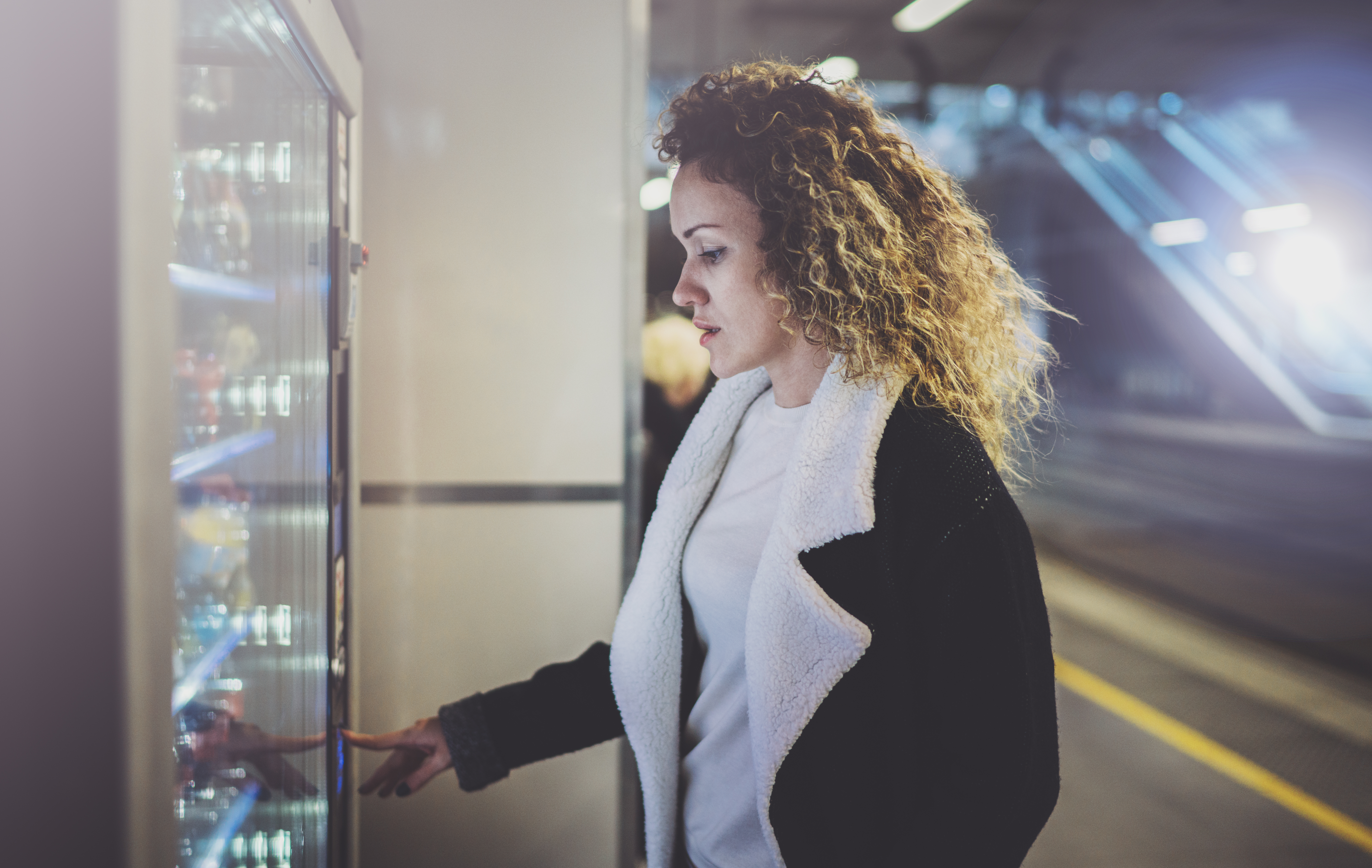
Evening at a lakeside campground. The tent is up, the fire is ready, and the water ran out an hour ago. The nearest store is in town, five miles away, and it closed at six. In places like this, a drink and snack machine isn't a gadget. It's the only place to buy anything nearby. This article covers where vending machines make sense in remote locations, what challenges to expect, and what to agree on with the operator before a machine goes up far from everything.
What counts as a remote location
It's not just the middle of the woods. A remote location is any place where people spend time but the nearest store is far away or keeps short hours. It might be a campground, a marina, a rest area on a highway, a small train station, a sports field on the edge of town, a mountain hut, a resort out of season, or a workplace outside the city. They all share one feature: people have a need and no alternative. For the operator, it means longer drives and less frequent visits. Those two sides have to be balanced for the machine to work well and make sense for everyone.
Why a machine works where there's no store
A store needs staff, opening hours, and enough traffic to stay afloat. In a small town or at a campground out of season, that traffic is often missing. A machine needs no one on site and runs around the clock. It won't replace a full store, but it covers the basics: water, a drink, something to snack on. For a campground owner or site manager, it's a way to give guests a minimum of comfort without running a shop. For a traveler on an empty platform, it's simply a relief. You don't need big promises to see that in these places, a machine answers a real need.
Where these machines work
You'll most often find them at campgrounds, marinas and supervised beaches, rest areas along longer routes, small train stations and bus stops, sports facilities outside town centers, mountain huts, and resorts. More and more, they also show up at workplaces outside the city, where the night shift has nowhere to buy coffee. Each of these places has its own rhythm. A campground comes alive in summer, a train station in the morning and evening, a plant according to its shift schedule. So there's no single recipe for a machine in a remote spot. Start by asking who will use it and when.
Seasons: summer isn't the whole year
Many remote places have a clear season. A campground is packed in July and empty in November. A marina is busy from spring to fall. That affects everything: the range, how often the operator visits, and whether the machine should stand there all year at all. Some site owners choose a machine only for the season, while others prefer it to stay, because guests still come off-season, just less often. It's worth talking openly with the operator about this. They may suggest a winter range or fewer visits when traffic drops. The worst option is a machine everyone forgets about for half a year.
Challenge one: fewer service visits
In a city, a technician can stop by a machine on the way to other jobs. At a campground beyond the woods, every visit is a trip of its own. So visits are less frequent, and the machine has to hold up better between them. That has a few consequences. The range should have longer shelf lives, and the machine should hold enough products. Every breakdown is felt more, because a repair won't happen within the hour. It helps when someone on site can report a problem and describe it precisely before the technician sets out. A photo of the screen message can save one unnecessary trip.
Challenge two: coverage and payments
Card and phone payments need connectivity. Many machines connect over a cellular network, and others use the site's Wi-Fi. In remote places, coverage can be weak or patchy, especially in valleys, forests, and behind the thick walls of old buildings. So before the machine goes in, check coverage with your phone at the exact spot where it will stand, and at different times of day. How a machine behaves without connectivity depends on the model and its settings. Some setups allow limited offline transactions. The operator knows the details. If coverage is uncertain, consider keeping a cash option too.
Challenge three: weather
Many remote locations are outdoors or in unheated buildings. A standard office machine isn't built for rain, frost, or full sun. Outdoors, you need a model designed for it, with a cabinet that protects against the weather. The manufacturer lists the operating conditions for each machine in the manual. The spot matters too: a roof, shelter from the wind, drainage, and level, stable ground. A machine in full sun will work harder to stay cool than one under a shelter. Go over these points with the operator on site, not over the phone.
Challenge four: security
A machine far from people is more exposed to vandalism and break-in attempts than one in an office hallway. That doesn't mean every rest-area machine will be damaged, but the risk has to be considered. Good lighting, a visible spot, solid locks, and a machine built for these conditions all help. The operator may also collect cash more often or suggest a cashless-only machine, so there's nothing inside worth looking for. Whether cameras can be installed at a given spot, and how people are informed about them, is up to the property owner. If in doubt, ask the person who handles data protection.
Power away from the building
A machine needs a steady power supply. At a campground or marina, the outlet may be far away, and an extension cord across the lawn is a bad idea. The machine's power requirements are on the rating plate and in the manual. Whether the wiring at that spot meets them, and how to bring power outdoors, is up to a qualified electrician. Plan this before the machine arrives, because outdoor electrical work usually takes longer than indoor work. It also helps to know what happens to the machine during power outages, which are more common outside cities. The operator should know who to call on site after a storm.
A range for the long haul
In a remote spot, water comes first. Then come drinks, including sports drinks if people exercise nearby, and hot drinks if the machine offers them and the place calls for it. Snacks should have longer shelf lives, because the operator doesn't come every day: granola bars, nuts, crackers, cookies. Fresh products like sandwiches only make sense where visits are frequent and sales are quick. At a campground, small items people tend to forget can be handy, but choose them together with the operator and the site owner. More drinks in summer, more warm snacks in winter. Ingredient and allergen information is on the product label.
Telemetry: a machine that says what it needs
Telemetry is especially useful in remote locations. It's a system that lets the machine send the operator information about stock levels, sales, and some errors. The operator knows when products are running low and can plan a visit when it's actually needed. No more driving out to a full machine, or leaving an empty one for two weeks. But telemetry needs connectivity, so coverage comes up again. Without a network, the operator has to rely on a schedule and on information from people on site. Either way, it helps when the site owner and the operator can reach each other quickly.
Who is the operator's eyes on site
The operator doesn't see the machine every day. Someone on site does. At a campground, it's the front desk or the owner. At a marina, the harbor master. At a plant, security. Agree on who that person is and what they report: empty slots, a breakdown, damage, a spilled drink, a full trash can nearby. The point isn't for that person to service the machine. They shouldn't open or repair it. It's enough that they notice a problem and let the operator know with a short description and a photo. This small bit of cooperation often decides whether a remote machine runs smoothly or sits with an "out of order" sign all through a long weekend.
Cleanup and surroundings
A remote machine also means wrappers, cans, and bottles. Without a trash can nearby, litter quickly ends up in the grass. So a bin next to the machine, ideally with recycling, is a must. Agree on who empties it, too. Usually that's the property owner, not the operator, but it's worth writing down. At a campground or marina, a neglected area around the machine spoils the impression of the whole place. A clean area encourages people to use the machine and also keeps away wasps and other uninvited guests, which are never in short supply around sweet drinks in summer.
Small stations and the end of the line
At a small train station, the ticket office may be closed or may not exist at all. Travelers wait for trains in the morning before work and in the evening after, sometimes longer when a train runs late. A machine with water and snacks makes sense here, but placing it requires the property manager's consent, and they may have their own rules for platforms and waiting areas. What counts is a spot that doesn't narrow the walkway and doesn't stand near the platform edge. It helps if it's under a roof and visible from a distance. Hot drinks are often welcome in winter. Figure out who has the authority to approve a machine on that property right at the start, before you discuss models. It can save weeks of waiting for an answer.
Example: a lakeside campground
The owner of a small campground has a front desk open until evening and no store nearby. Guests ask in the evenings about water and something to eat. The owner talks to an operator, who comes out to look at the site. Together they choose a spot under a shelter next to the front desk: it has a roof, lighting, and an outlet that an electrician checks before installation. Coverage there is good, so the machine takes cards and reports stock levels. The range is water, drinks, granola bars, and crackers, with more drinks in season. The front desk reports problems to the operator, and campground staff empty the bin. After the season, the machine stays, but visits are less frequent and the range is smaller.
What to agree on before you decide
A short list for the first conversation with the operator:
- who will use the machine and at what times,
- whether traffic is seasonal and what happens to the machine off-season,
- what the network coverage is like at the exact spot,
- whether the spot is covered, lit, and on stable ground,
- who will check the power and whether power needs to be brought in,
- how often the operator plans to visit and whether the machine has telemetry,
- who on site reports problems and empties the bin,
- which payments will be available if connectivity fails.
With these answers, it's easier to judge whether a machine makes sense at that spot and which model to choose.
Related reading: Vending at EV Charging Stations and Vending at Train and Bus Stations.
FAQ
Does an outdoor machine need a special cabinet? Yes, you need a model designed for outdoor use. The manufacturer lists the allowed conditions in the manual.
How often does service visit remote sites? It depends on sales and distance. Telemetry helps plan visits for when they're needed.
What if there's no coverage at the spot? Cashless payments and telemetry may then not work or work only partly. Talk to the operator about options, such as keeping a cash option.
Can a machine stand there only in season? Yes, if you agree on that with the operator. A lot depends on whether people come by off-season.